Projects outside the lab
Many of these projects combine inexpensive electronics with Arduino and Python to build simple tools for teaching, environmental monitoring, and everyday problems.
Lehigh EV Charger Watch
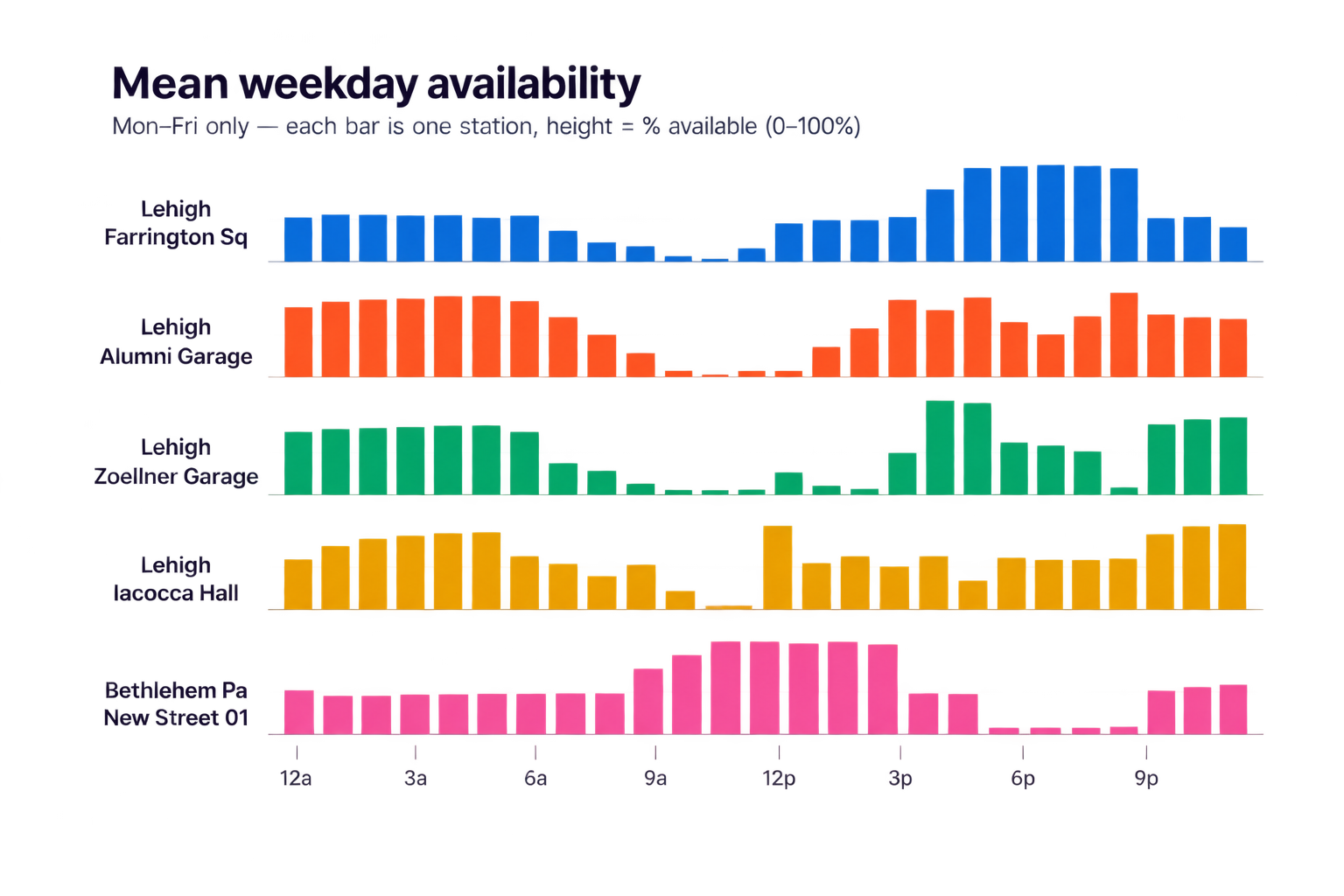
EV charging stations at Lehigh can get busy, so I built a small service that queries ChargePoint availability and keeps a running record of when chargers are occupied or free. The accumulated data make it possible to estimate how likely you are to find an available charger at different locations and times of day.
Open the Lehigh EV Charger Watch. Unfortunately, the service is currently available only from the Lehigh campus network or through the Lehigh VPN.
Four seasons from my office window
During my Ph.D. at Lamont–Doherty Earth Observatory, I pointed an old phone out of my office window and programmed it to take a photograph every hour. Two years later, this is what came out.
The parts list
- An old Android phone (OnePlus A3010, 64 GB), no longer needed for anything else.
- Tasker, fires the camera once an hour.
- AutoInput, unlocks the screen first. Working out that this was the missing piece took a while.
- FolderSync, pushes the night's photos to the cloud so the phone never has to be touched.
- ImageMagick for timestamps, iMovie for the cut.
One lesson: put cardboard or foam between the phone and the glass. In a cold climate the temperature swing at the window is brutal, and mine came back with a badly dented screen.
Temperature and humidity, logged to the web
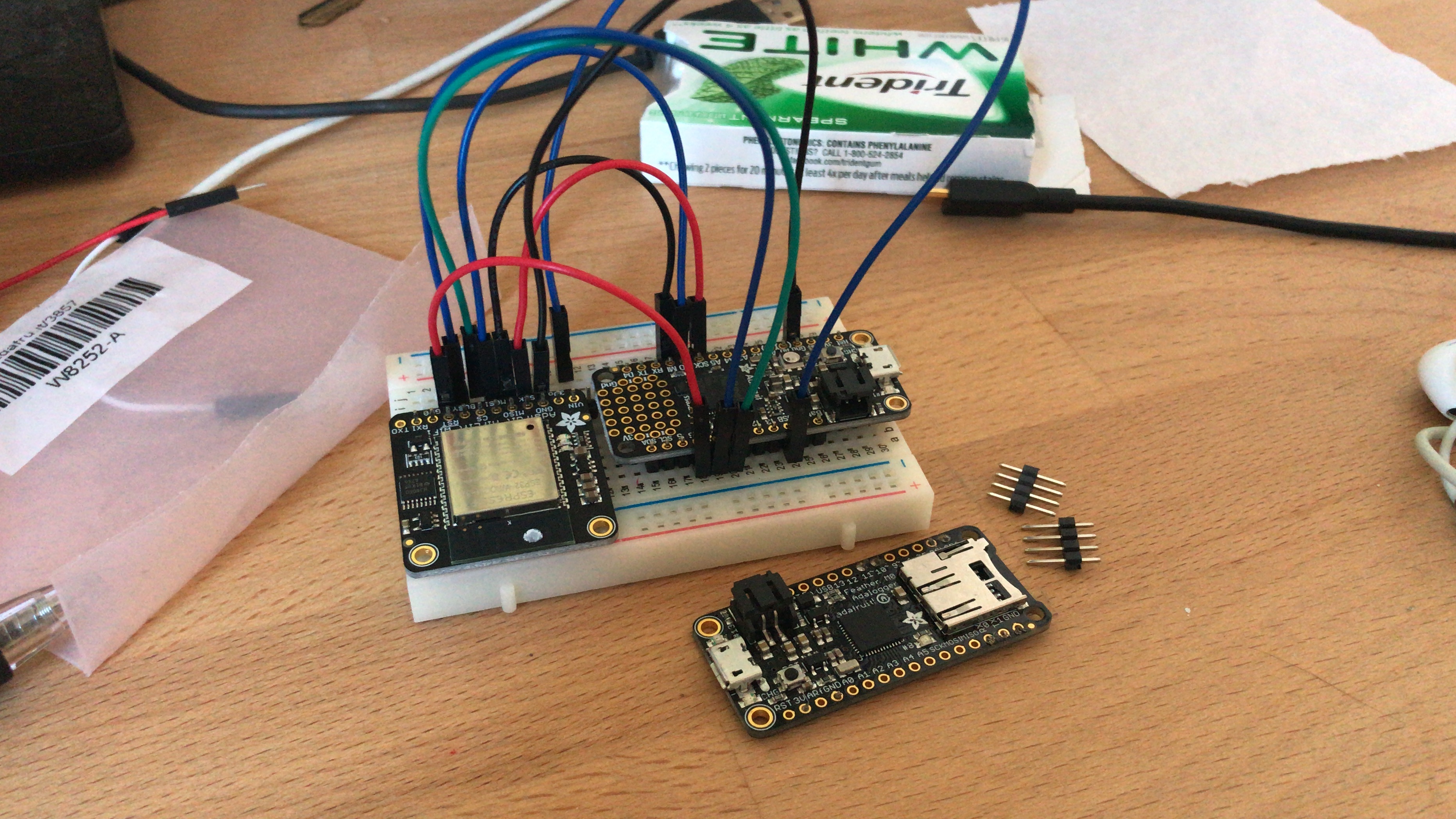
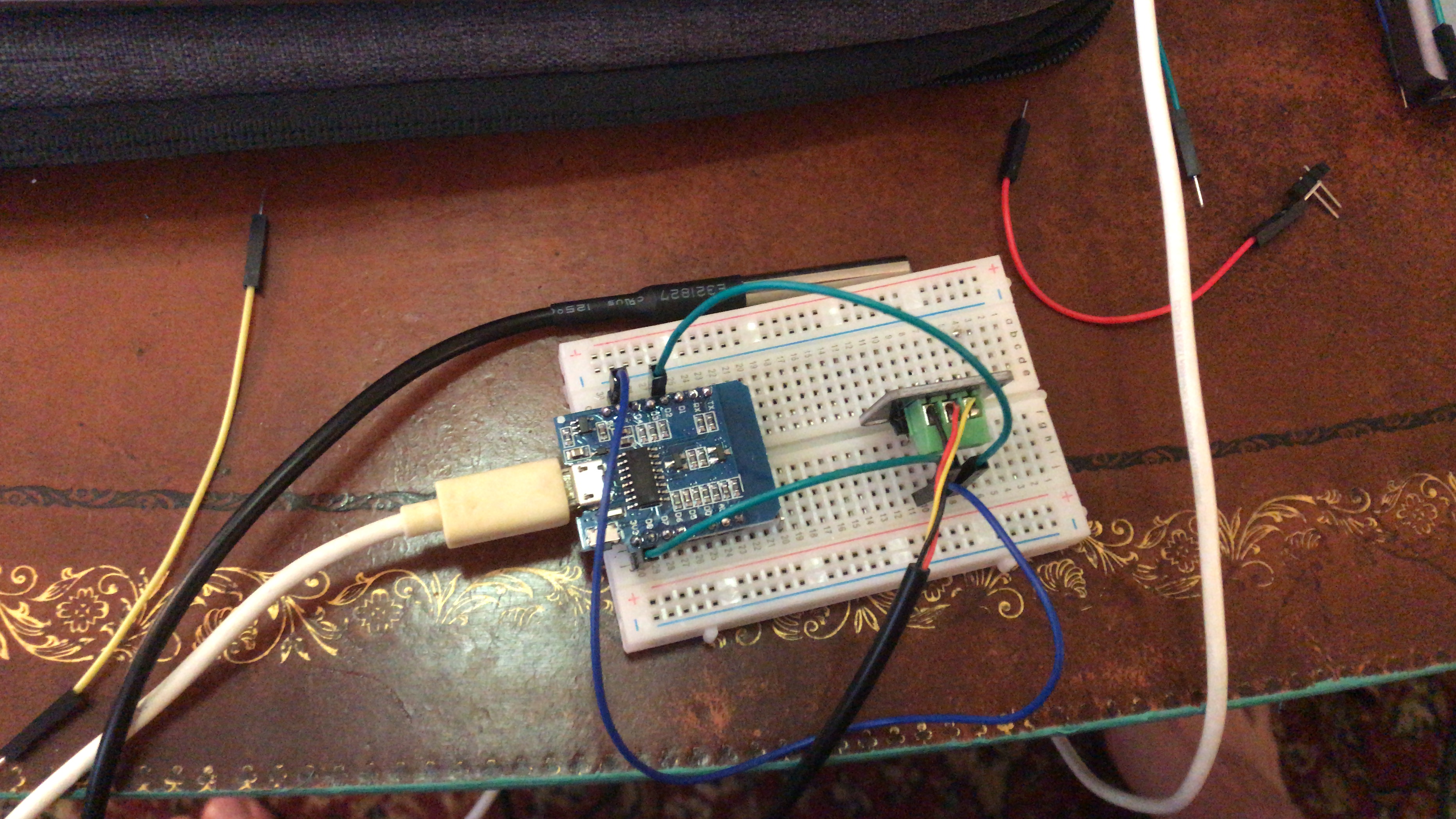
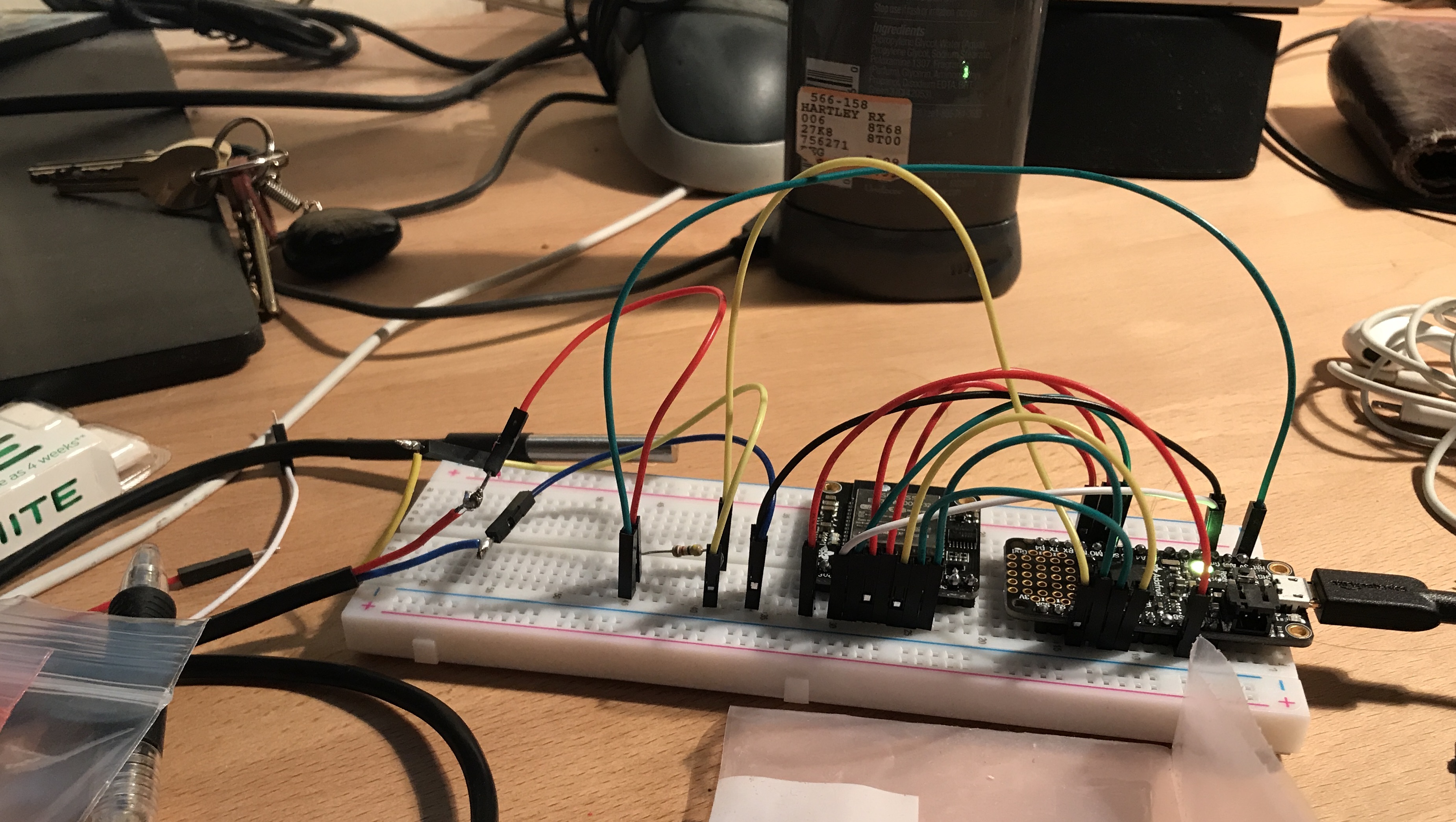
A handful of cheap boards and sensors, an Arduino sketch, and MQTT are enough to publish live readings to a dashboard anyone can open, including students following an albedo experiment I built for a class.
- Wemos D1 mini, reads the sensors and publishes over MQTT.
- AHT10 digital temperature and humidity sensor, indoors.
- DS18B20 waterproof probe, outdoors.
Adafruit has excellent guides if you want to build one. Happy to share my Arduino code.
The LDEO PhenoCam network
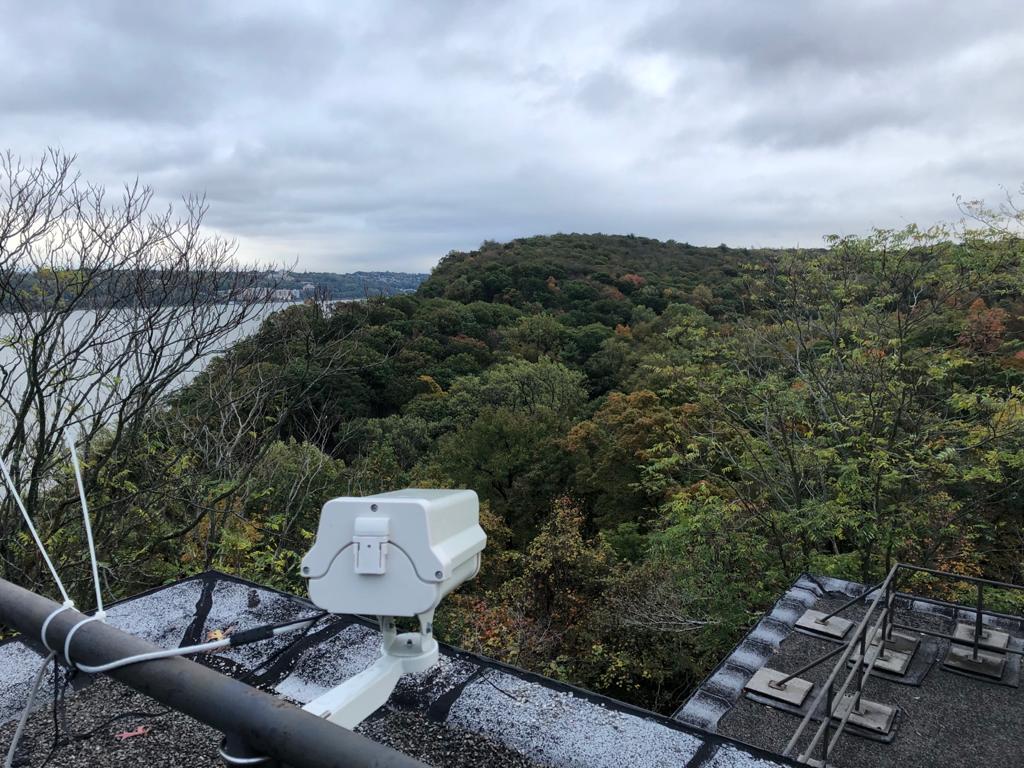
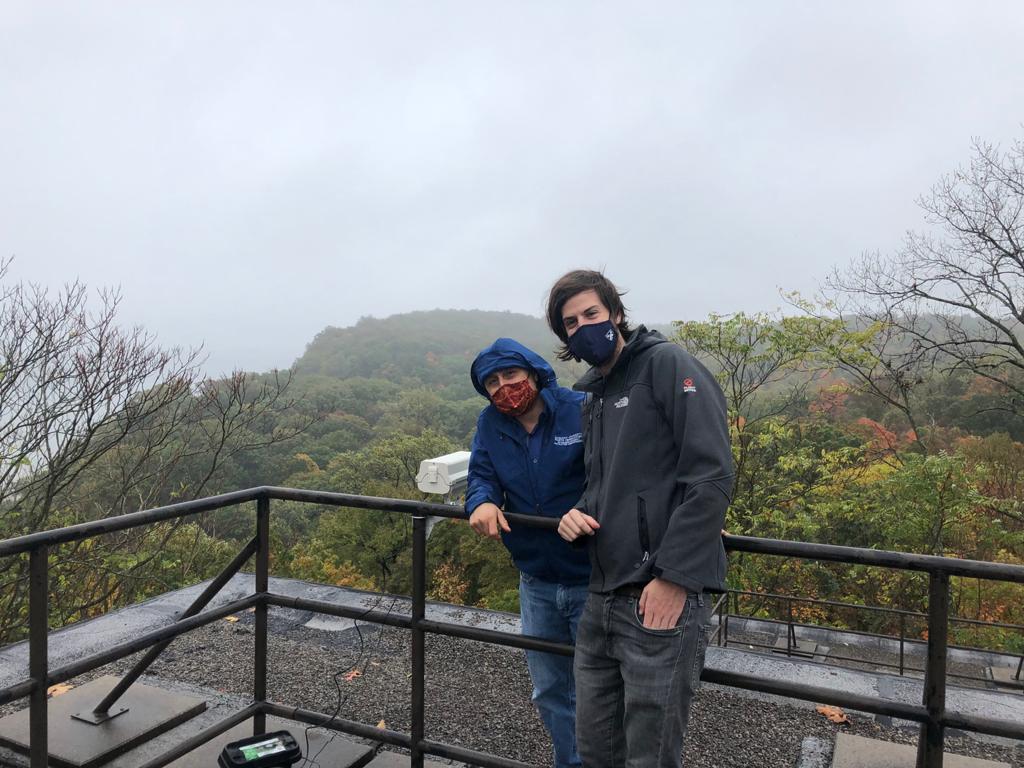
With Mukund Rao and funding from the Chevron Student Initiative Fund, I designed and built a camera network to track hourly-to-seasonal change in the forest canopy on the Lamont campus.
Forests offset a substantial share of anthropogenic carbon emissions, taking up carbon through photosynthesis and storing a fraction of it as biomass, and climate change is shifting the seasonal rhythm that process depends on. A camera pointed at the canopy every hour, for years, is a cheap way to watch that shift happen.
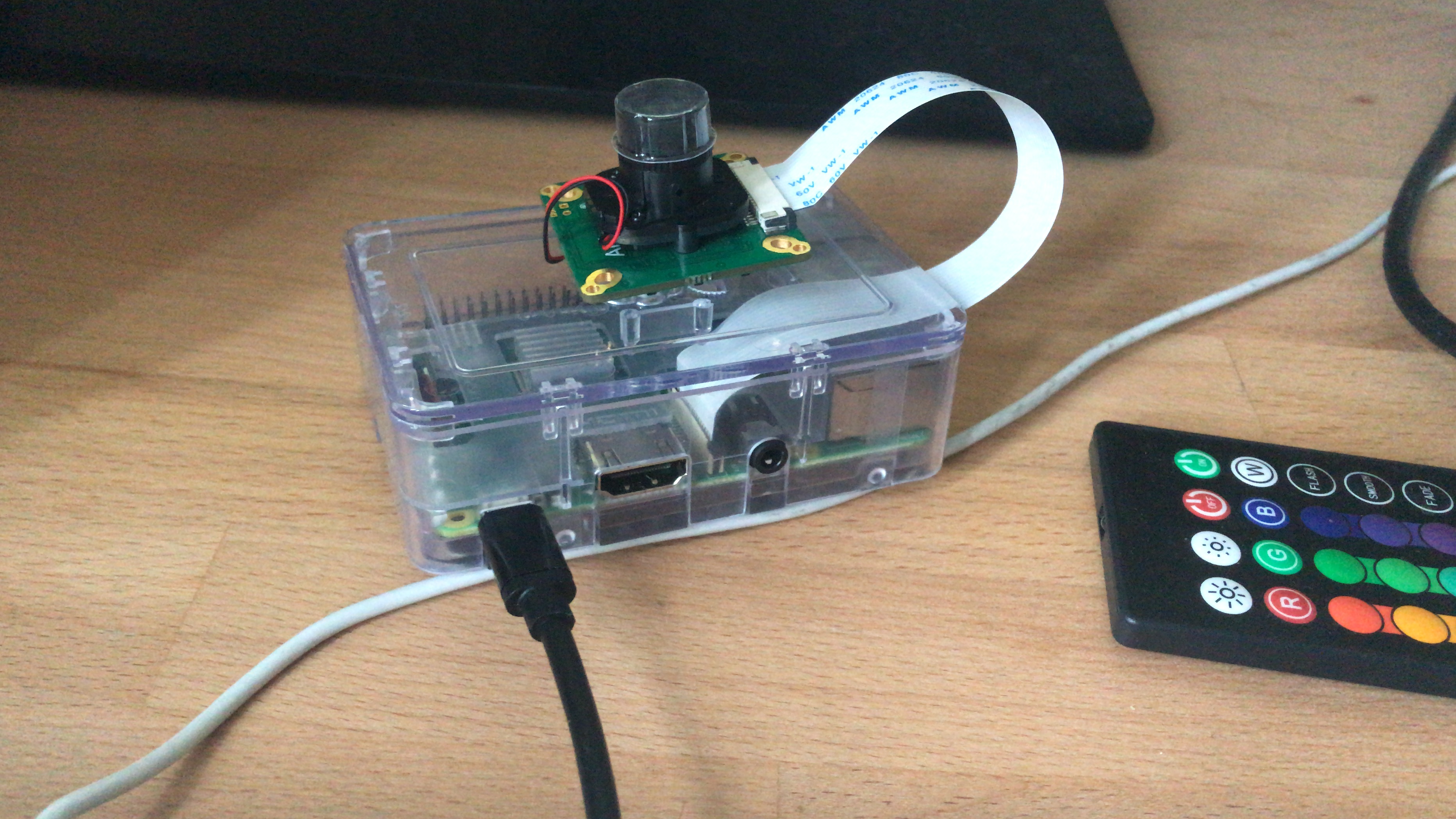
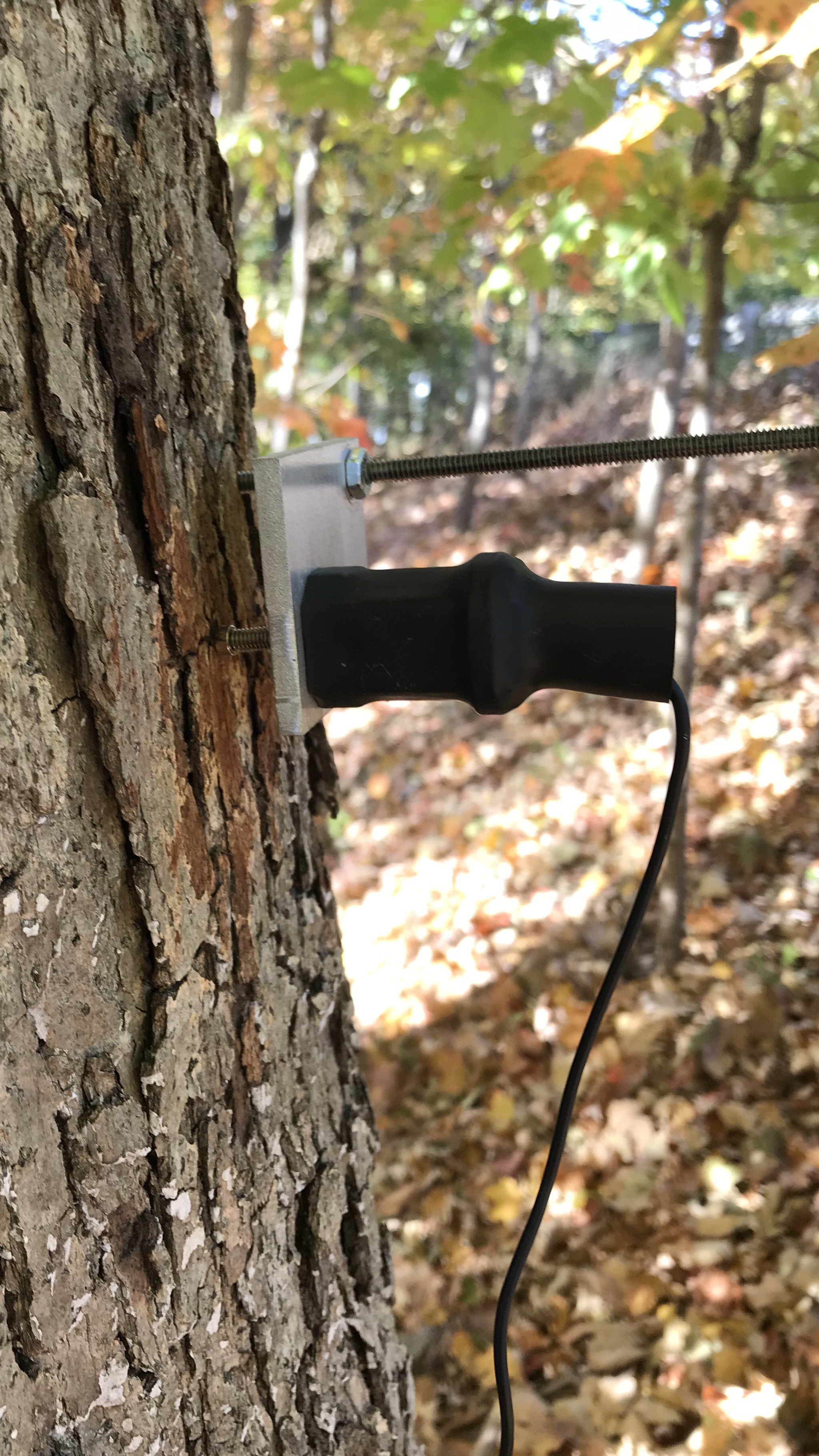
The system pairs infrared cameras, a Raspberry Pi build of our own and a commercial StarDot unit, with dendrometers on two trees inside the field of view, so canopy greenness and stem growth can be read together, alongside local temperature. The project later developed into a study of forest phenology and climate sensitivity.
- Image archive at the PhenoCam Network.
- Dendrometer data.
- A write-up of the project from the Columbia Climate School.
- Rao et al. (2026), Science Advances.